
If you're a final expense insurance agent looking to grow your business, you've probably encountered the debate: should you invest in traditional digital leads from online and social media sources, or should you explore television and streaming video leads from CTV, broadcast, and platforms like YouTube?
The answer depends on what you're optimizing for. If you're focused on cost per lead, digital might look attractive. But if you're focused on what actually matters—sales volume and annual income—the picture changes dramatically.
The Metric That Actually Matters
Ask most agents how they evaluate leads and they'll talk about cost per lead or cost per acquisition. Ask how many policies they wrote last week and the room gets quiet.
Here's the truth: good CPA is important, but it's only part of the puzzle. Sales volume is what drives your paycheck.
An agent can have a stellar cost-per-acquisition on paper and still only close 2-3 policies per week. That's the trap. You're optimizing for efficiency on bad calls instead of maximizing the calls that actually convert.
How many policies can you write per week? That's what determines your income—not your CPA, not your cost per call. The agents earning serious money focus on policies per week, not cost metrics.
Understanding the Two Lead Types
What Are CTV and Television Leads?
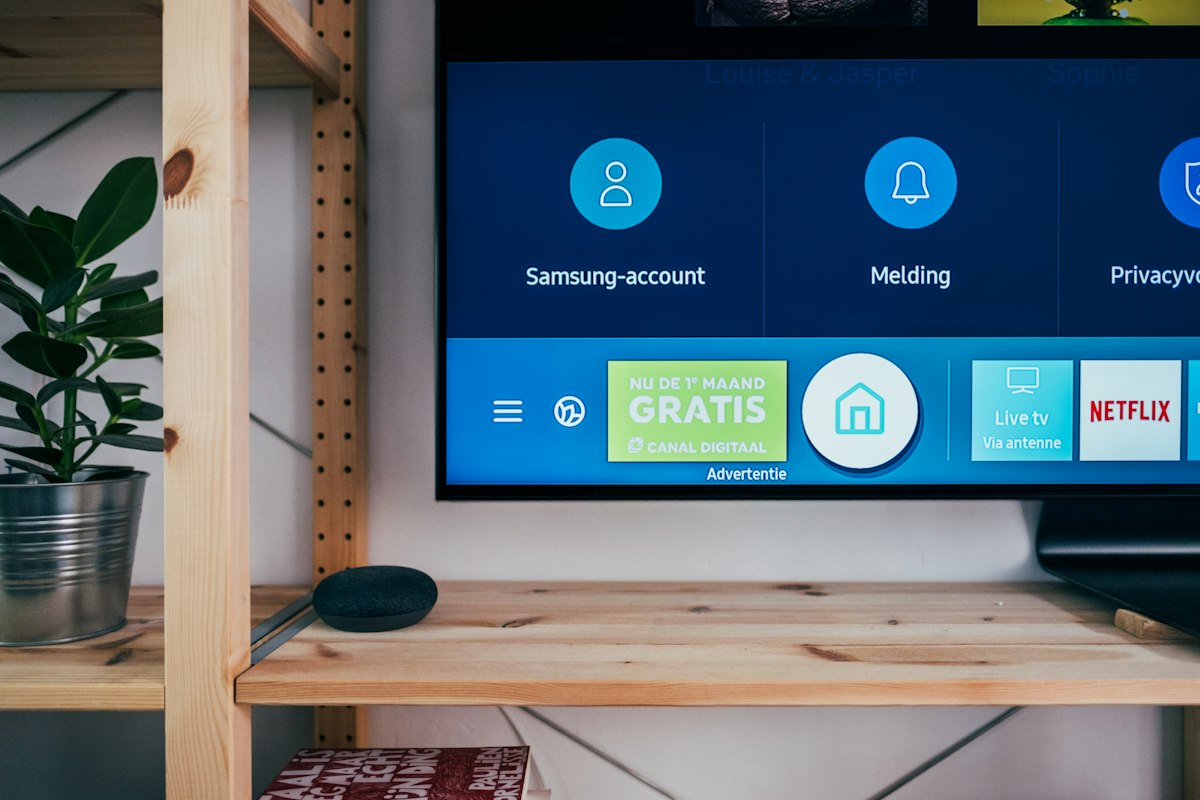
Television and streaming video leads—whether from Connected TV, broadcast TV, YouTube, or other streaming platforms—are inbound calls generated when a prospect sees a video advertisement and dials a phone number. The prospect initiates the contact.
Connected TV specifically refers to advertising delivered through streaming services and devices like Roku, Amazon Fire TV, Apple TV, and smart TVs. But the principle extends to any high-integrity video advertising where the prospect watches an ad for your actual product and takes action.
The key characteristic is the action gap: the viewer must stop watching, pick up a phone, dial a number, and wait to be connected. This friction filters out low-intent prospects. Only people with genuine interest complete the process.
What Are Digital Leads?
Digital leads typically come from online form submissions. A prospect sees an ad on a social media, search, or display network, clicks through to a landing page, and fills out a form with their contact information. The agent then follows up with an outbound call.
The friction here is much lower—a few clicks and some typing. This means higher volume but also a wider range of intent levels. Some form-fillers are motivated; many barely remember submitting their information by the time you call. And a significant number are confused about what they signed up for—expecting free coverage or government programs rather than a sales conversation.
Why Source Quality Beats Cost Per Lead
The agents writing serious volume understand something that struggling agents miss: where the call comes from matters more than what you pay for it.
With digital leads, you're often competing with confusing ad environments. Prospects click on ads sandwiched between content about government benefits, free insurance programs, and misleading offers. By the time they reach you, they may have no idea what they actually requested.
With television and streaming video leads, the prospect watched a clear advertisement for final expense insurance. They understood the offer. They picked up the phone because they want coverage. The conversation starts from a completely different place.
The Digital Lead Problem
High volume, lower conversion. That's the fundamental tradeoff with most digital lead sources. But there's a deeper problem: free or government confusion is pervasive.
Many digital leads come from ad environments where prospects are bombarded with messages about free coverage, government programs, and benefits they "qualify for." When you call them, you're not just selling insurance—you're first correcting their expectations about what they signed up for.
This isn't a problem with your sales skills. It's a problem with the lead source.
The Sales Volume Equation
Let's talk about what actually drives your annual income.
An agent closing 2-3 policies per week might have great CPA numbers. They're being "efficient" with their lead spend. But at 2-3 policies per week, they're earning maybe $50,000-75,000 annually. Still struggling.
An agent closing 6-8 policies per week might be paying more per lead. Their CPA might look worse on paper. But they're earning $150,000+ annually. They value their time and buy calls that convert.
The difference isn't skill—it's lead source. The high-volume agent is spending their time talking to people who want to buy insurance, not explaining that no, this isn't a government program.
Every hour you spend on prospects who were never going to buy is an hour you're not spending with someone who will. Cheap calls with low conversion rates don't just cost you the lead price—they cost you the sales you could have made with that time.
The Television and Streaming Advantage
Television and streaming video advertising is particularly effective for final expense insurance for several reasons:
Demographic alignment: Seniors aged 50-80 are heavy television and streaming consumers. While younger demographics have shifted to social media, older Americans still spend significant time watching video content.
Trust factor: Video advertising carries a legitimacy that digital display ads often lack. Seniors tend to trust companies that advertise through video more than those they encounter through social media or banner ads.
Attention quality: When someone watches video content, they're typically in a relaxed, receptive state. Compare this to scrolling through a busy social feed—a distracted, fast-moving environment where an ad competes with everything else on the screen.
Clear messaging: A video ad can clearly communicate what you're offering. There's no confusion about government programs or free coverage. The prospect knows exactly what they're calling about.
Response simplicity: A phone number on screen is straightforward. No forms to fill out, no passwords to remember. See the number, pick up the phone, dial. This simplicity suits the demographic.
Making the Decision
The agents who consistently outperform their peers aren't loyal to the cheapest lead source. They're loyal to the lead source that produces the most policies per week.
If you're currently working digital leads and closing 2-3 policies per week, you might feel like you're being smart by keeping costs low. But you're trading dollars for pennies. Your time is worth more than that. The real math on insurance leads shows this clearly.
The question isn't "what's the cheapest lead I can buy?" The question is "what lead source will maximize my policies per week and my annual income?"
For most serious agents, the answer is high-integrity video advertising—television and streaming sources where the prospect saw a real ad for your real product and called because they want coverage.
Ready to Increase Your Sales Volume?
We connect licensed agents with high-intent inbound calls from our television and streaming video campaigns. No contracts, transparent pricing.
Get Started TodayFrequently Asked Questions
What is the difference between CTV leads and broadcast TV leads?
CTV (Connected TV) leads come from advertisements shown on streaming services and devices, while broadcast TV leads come from traditional over-the-air or cable television. Both generate inbound calls from prospects who watched a video ad and called. CTV often allows for more precise targeting, while broadcast TV provides broader reach. The quality principle is the same: high-integrity video advertising produces better calls than digital form fills.
How do CTV leads compare to digital form leads?
Final Expense TV inbounds typically have stronger intent and less exposure to confusing ads or content about free or government programs. The prospect takes action after seeing an ad for your product, rather than being confused or filling out a web form.
Where can I buy final expense leads from TV and streaming advertising?
Several companies specialize in television and streaming video leads for insurance. Look for providers who run their own advertising campaigns (not resellers), focus on ad integrity and source quality, and have established track records with verified agent results. Avoid providers whose primary pitch is about duration thresholds—that's often a sign they're masking low quality traffic.